4 Warning Signs that a Tree May Soon Topple
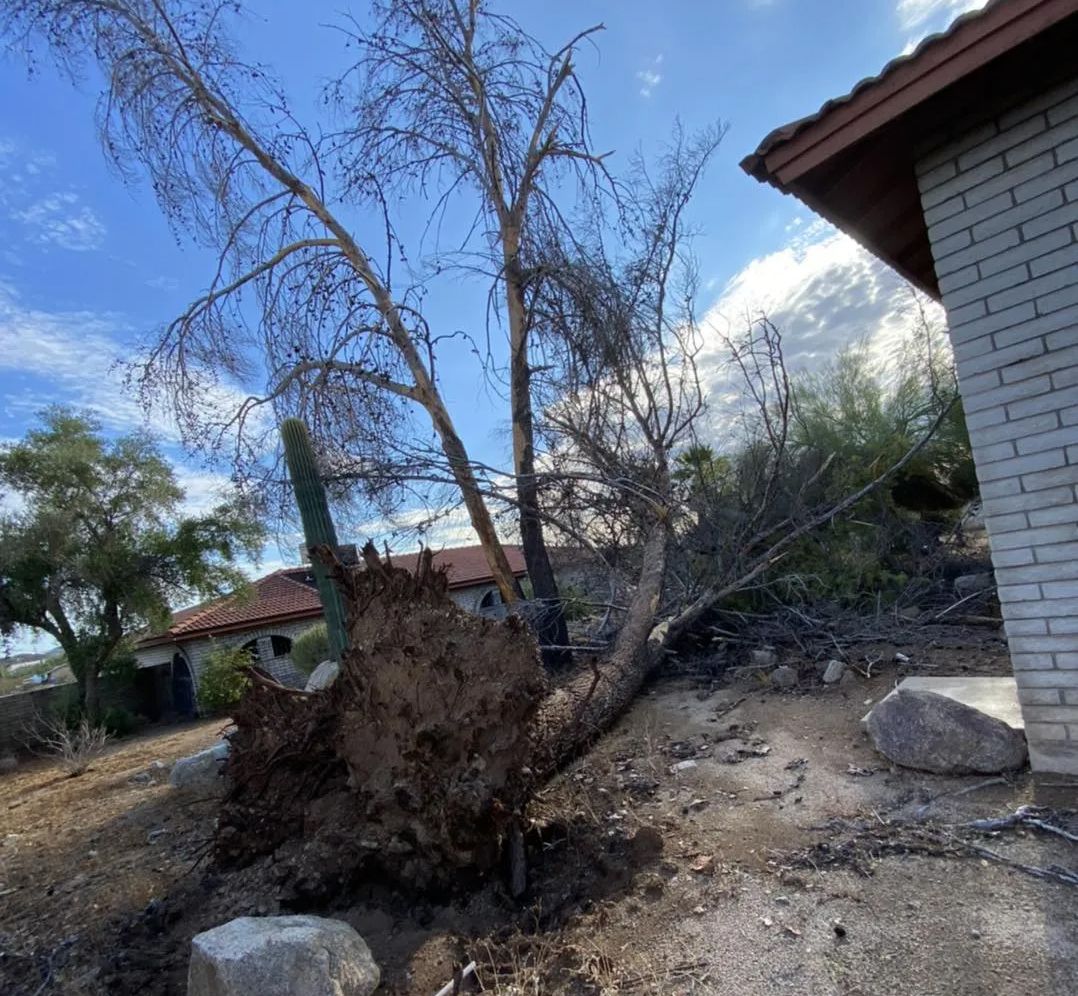
A damaged or unstable tree can quickly become a serious hazard. High winds, heavy rain, disease, and age can all weaken a tree’s structure and increase the risk of it falling. A toppled tree can damage homes, vehicles, and power lines—and cause major injuries. Fortunately, trees often display visible warning signs before they collapse. Recognizing these symptoms early can help property owners take action and prevent increasingly dangerous situations. At Roy’s Trees, our local arborists can identify and safely remove hazardous trees. Here are four warning signs that a tree may be at high risk of toppling.
A Noticeable Lean Is Getting Worse
While some trees naturally grow at slight angles, a tree that suddenly begins leaning or appears to be leaning more than before may have structural instability. This can happen when roots become damaged, soil shifts, or the trunk weakens internally. A leaning tree is especially concerning if the lean developed after a storm or if the ground around the base appears raised or cracked.
Cracks Are Visible on the Trunk
Deep cracks, splits, or cavities in the trunk are major warning signs that a tree may fail. These openings weaken the structural integrity of the tree and can make it more vulnerable during storms. Vertical cracks are especially concerning when they extend deeply into the trunk or separate large sections of wood. Some trees may also develop hollow areas due to internal decay. Even if the tree still appears healthy on the outside, internal damage can significantly increase the likelihood of toppling.
The Roots Appear Damaged or Exposed
Healthy roots are essential for keeping a tree stable and anchored to the ground. If roots become exposed or damaged, the tree may lose its ability to remain upright. Fungal growth near the base of the tree can also indicate root rot or decay beneath the soil surface. Since root problems are often hidden underground, visible symptoms near the base of the tree should never be ignored, especially if the tree begins leaning or showing signs of stress.
The Tree Shows Sudden Signs of Decline
A tree that suddenly loses leaves, develops bare sections, or displays discolored foliage may be suffering from severe internal problems. Rapid decline can result from disease, pest infestations, drought stress, or root failure. If the canopy appears thin and unhealthy while other nearby trees remain normal, the tree may be struggling to survive. Sudden decline can indicate that the tree is becoming unstable and may now pose a safety risk.
Tree Removal in Phoenix, AZ
For
expert tree removal in Phoenix and the surrounding area, contact Roy’s Trees at
602-881-2775. Feel free to give us a call to
request an arborist estimate in greater Phoenix!